Leather furniture can bring warmth, character, and lasting style to a living room. But with different leather types, finishes, colors, and price points to choose from, finding the right piece takes a little research. The best option depends on how you use your space, what kind of look you prefer, and how much maintenance you’re comfortable with.
Before investing in a new leather sofa, sectional, or accent chair, it helps to understand what sets the different options apart. This furniture guide covers the questions to ask, the types of leather you may encounter, and how to care for your furniture so you can choose a piece that suits your home and lifestyle.
What to Consider When Buying Leather Furniture
Leather seating is an investment, so it’s worth looking beyond the color and style of a sofa or chair. Start by thinking about how the furniture will fit into your home and how it will be used day to day.
Your lifestyle and household: Consider who will use the furniture most often. A busy living room with children, pets, or frequent guests may call for a leather finish that offers more protection against everyday wear. If the piece will be in a formal sitting room or used less frequently, you may have more flexibility to choose a softer, more natural leather.
Comfort and Feel
Leather can feel different depending on the type of hide and how it has been treated. Some options have a soft, natural feel, while others have a smoother or more consistent finish. Sit on the furniture and pay attention to the feel of the upholstery, cushion support, seat depth, and overall comfort.
Color and Appearance
Leather is available in a wide range of colors and finishes, from warm browns and classic neutrals to deeper or more contemporary shades. Natural leather may have variations in color, markings, and texture. These details can give a piece character, but if you prefer a more uniform appearance, ask about corrected or protected finishes.
Construction and Quality
The upholstery is only one part of a well-made piece of furniture. Ask about the frame, suspension system, cushion materials, and overall construction. These details contribute to how the furniture feels and performs over time.
Budget and Value
Leather furniture varies in price based on the type of leather, how it is processed, how much of the piece is covered in leather, and the construction of the furniture. Comparing these details can help you understand what you are paying for and choose an option that fits your budget.
Before making a decision, ask the retailer what type of leather is used, whether all upholstered surfaces are covered in the same material, what care it requires, and what the warranty covers. If a sofa is described as leather match, for example, the seating surfaces may be leather while the sides or back use a coordinating material. Knowing exactly what you are purchasing helps you compare pieces accurately.
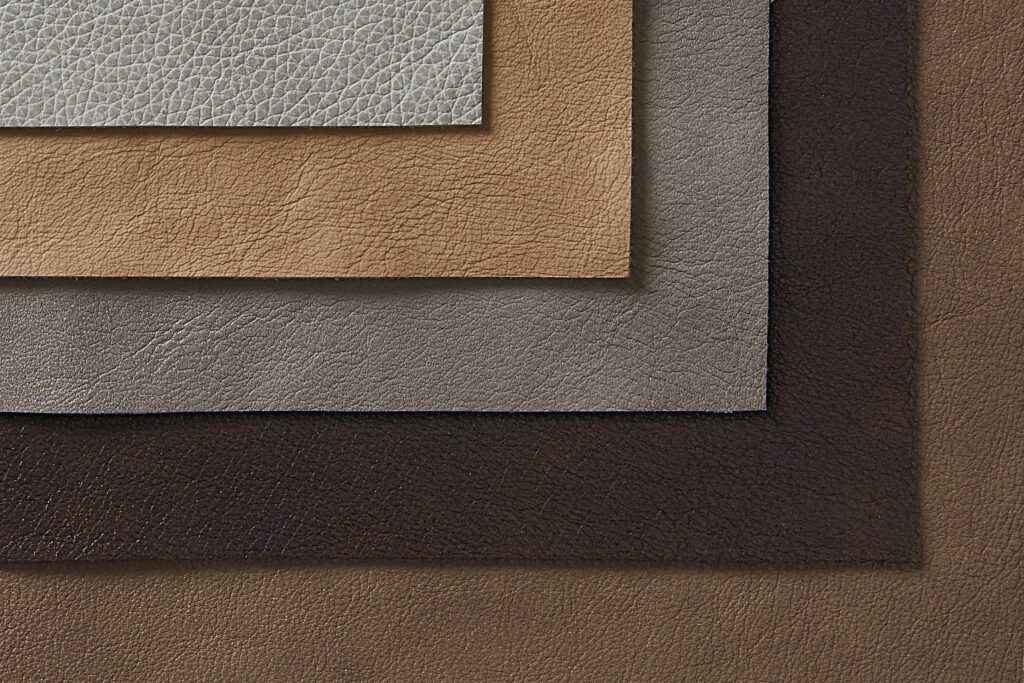
Understanding the Different Types of Leather Furniture
Not all leather is processed in the same way. The type of hide and the finish applied to it affect the furniture’s appearance, feel, durability, and maintenance needs. Here are some of the terms you may come across while shopping.
Full-Grain Leather
Full-grain leather uses the outermost layer of the hide and retains its natural surface. Because it is not sanded to remove imperfections, you may notice natural markings, variations in texture, and differences in color. These characteristics give each piece a distinctive appearance.
Full-grain leather is known for its durability and ability to develop a patina over time. As the furniture is used, the surface can take on a richer appearance that reflects its age and everyday wear. It is a good option if you appreciate the natural character of leather and are comfortable with its appearance changing over time.
Top-Grain Leather
Top-grain leather also comes from the outer layer of the hide, but its surface is typically sanded or buffed to remove some imperfections. This creates a more consistent appearance while maintaining many of the qualities people appreciate about natural leather.
It is often softer and more pliable than full-grain leather because of the finishing process. Top-grain leather is a popular choice for upholstered furniture and can be available in different colors, textures, and finishes.
Genuine and Split Leather
The terms genuine leather and split leather can be confusing when shopping for furniture. Split leather is made from the lower layers of a hide after the top layer has been separated. It can be used for products such as suede and has a different texture and performance than full-grain or top-grain leather.
Genuine leather is a broad term that indicates real leather, but it does not necessarily describe a particular quality level. It is important to ask what kind of hide and finish the manufacturer is using rather than assuming that the word genuine means premium quality.
Bonded Leather
Bonded leather is made by combining leather fibers or scraps with synthetic materials and bonding them to create a leather-like surface. Because it contains a smaller amount of actual leather, it does not offer the same characteristics as upholstery made from a full hide.
Bonded leather is often a lower-cost alternative, but it can wear differently from higher-quality leather. If you are considering a piece made with bonded leather, ask about its composition and expected performance before purchasing.
Faux or Vegan Leather
Faux leather, sometimes called vegan leather, is a synthetic material designed to resemble the look and feel of genuine leather. It is commonly made with materials such as polyurethane or PVC and does not contain animal hide.
These materials can offer a leather-inspired appearance at a different price point, but their durability and care requirements vary by product. Be sure to compare the manufacturer’s specifications and warranty information when considering this option.
Aniline, Semi-Aniline, and Protected Leather Finishes
You may also hear terms that describe how leather is dyed and finished. These processes influence its appearance and how well it stands up to everyday use.
Aniline Leather
Dyed with soluble colorants that allow the hide’s natural markings and texture to remain visible. It typically has a soft, natural feel, but without an added protective coating, it can be more susceptible to stains and scratches.
Semi-aniline Leather
Similar to aniline leather, but with a light protective finish. This helps create a more consistent appearance and offers additional protection while allowing some of the hide’s natural character to show through.
Protected or Pigmented Leather
Finished with a surface coating that creates a more uniform color and adds a layer of protection. It is often a practical option for households that expect regular use.
The right finish depends on the look you prefer and how much everyday protection you need. Ask the retailer or manufacturer how the specific leather is treated, since care recommendations can vary.
How to Care for Leather Furniture
Leather furniture can be relatively easy to maintain, but it still benefits from regular care. Since cleaning recommendations vary by leather type and finish, always check the manufacturer’s instructions before using a product or treatment. A few simple habits can help keep your furniture looking its best:
Dust and Clean Regularly
Use a soft, clean cloth to remove surface dust. You can also vacuum seams and crevices with a soft upholstery attachment to pick up crumbs and debris. Avoid abrasive cloths or brushes that could scratch the surface.
Address Spills Promptly
Blot spills gently with a clean, dry cloth rather than rubbing the area. Rubbing can spread the spill or affect the finish. Follow the manufacturer’s cleaning instructions for any remaining marks, and avoid applying household cleaners unless they are specifically approved for your leather.
Keep Furniture Away From Direct Sunlight and Heat
Extended exposure to sunlight can cause leather to fade, while heat from vents, fireplaces, and other sources can dry it out. Consider furniture placement when arranging your room, especially if the piece will sit near a large window.
Use Products Made For Your Leather Type
Not every leather cleaner or conditioner is appropriate for every finish. Avoid experimenting with household cleaning products, oils, polishes, or treatments that the manufacturer has not recommended. If you plan to use a new product, check the care instructions and test it in an inconspicuous area first.
Follow the Manufacturer’s Maintenance Recommendations
Some leather types require different cleaning methods or conditioning schedules. Keeping the care instructions that come with your furniture can help you avoid products or techniques that may damage its finish.
With consistent upkeep and the right cleaning methods, leather furniture can remain a comfortable and attractive part of your home for years.
Find the Right Leather Furniture for Your Home
Choosing leather furniture comes down to finding the right balance of appearance, comfort, quality, and everyday practicality. Understanding the differences between leather types and finishes can help you ask better questions and feel more confident in your decision.
At Woodchuck’s, our team can help you explore leather seating options and find pieces that complement your home and lifestyle. Visit our Jacksonville showroom to see available styles, compare materials, and get guidance as you shop.